
Grade A vs. Grade B Drinking-Water Testing - What's the Difference?
The difference between the tests, which parameters are checked at each grade, and when each one is required.
Read MoreA backflow preventer is a small safety device with a critical job: to stop contaminated water from flowing back and polluting the public drinking-water network. The law requires many types of consumers to install a backflow preventer and have it tested annually by a certified inspector.
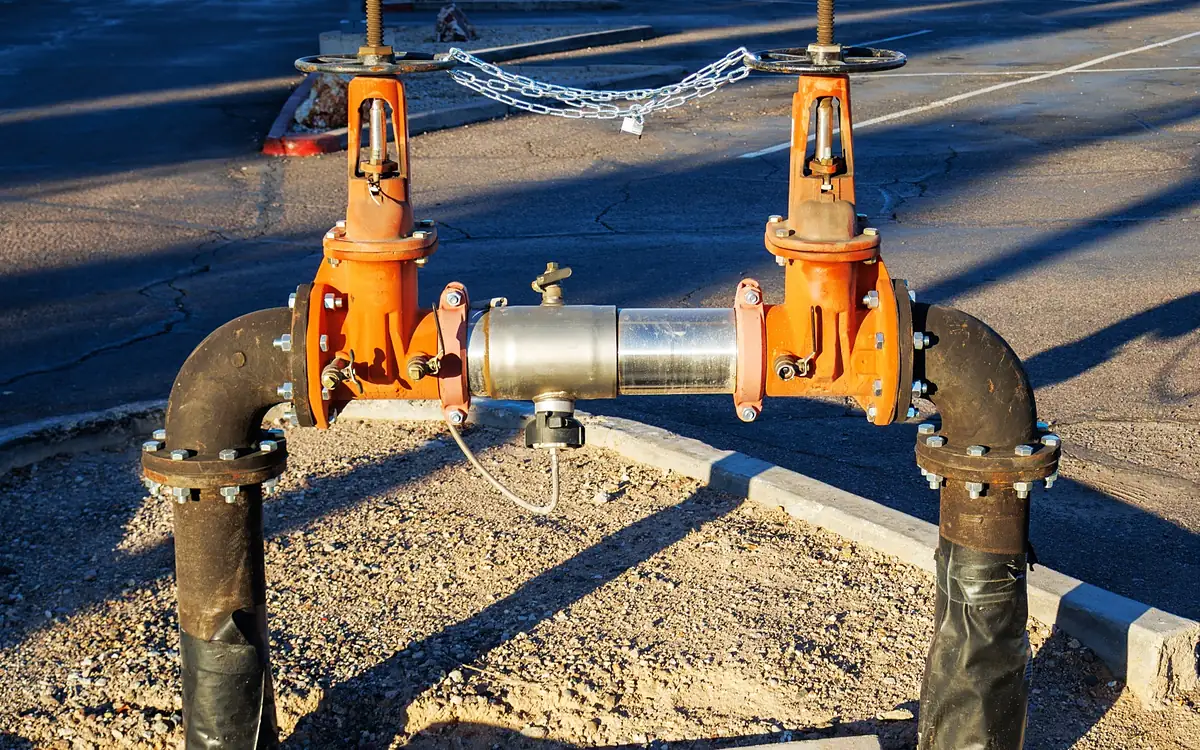
Under certain conditions, such as a sudden drop in network pressure, water can flow in the reverse direction - from the consumer's premises back into the public water network. If that facility contains contaminants, they can be drawn into the network and endanger other consumers. The backflow preventer blocks this reverse flow and protects everyone's drinking water.
A backflow preventer is a mechanical device that wears out over time, so the law requires an annual functionality test by a certified inspector. The test verifies that the valves seal properly and that the device continues to do its job. On completion, a test certificate is issued and submitted to the water utility.
A working backflow preventer is the last line of defense between the consumer's premises and the drinking-water supply. A timely annual test prevents fines from the water utility, but more importantly, it ensures the device will actually perform when it matters.
A certified inspector from Kesar Digum comes to the site, tests the backflow preventer according to procedure, documents the findings and issues a test certificate. We also support you in coordinating with the water utility and tracking the date of the next test, nationwide.
Leave your details and we'll get back to you with professional guidance and a tailored sampling plan, or talk to us now by phone or WhatsApp.
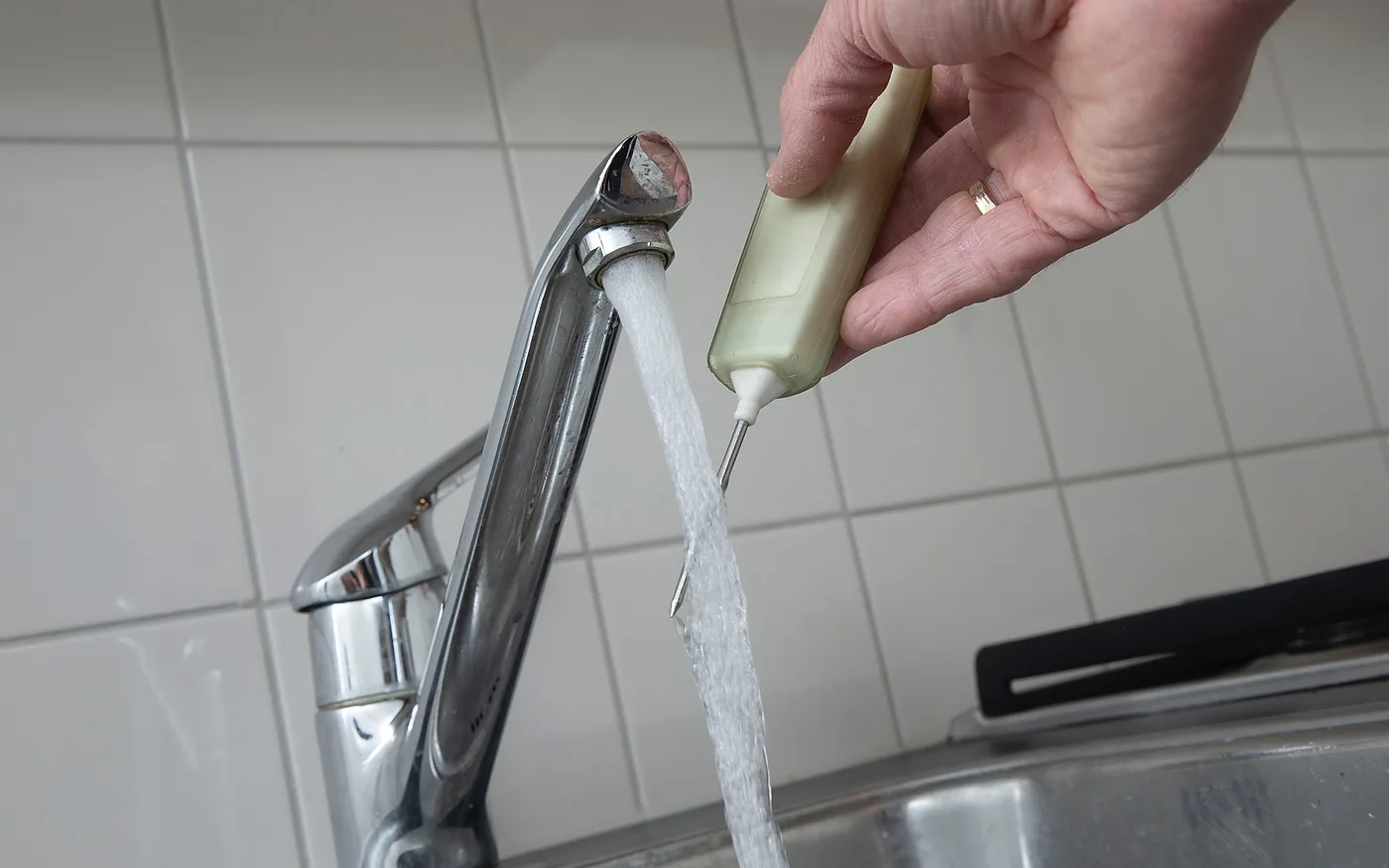
The difference between the tests, which parameters are checked at each grade, and when each one is required.
Read More
What a contractor needs before occupancy, how the disinfection process works, and which documents you receive.
Read More
What the accreditation means, how it ensures reliable results, and why the regulator requires it.
Read More