
Grade A vs. Grade B Drinking-Water Testing: What's the Difference?
The difference between the tests, which parameters are checked at each grade, and when each one is required.
Read MoreLegionella (Legionella pneumophila) is a bacterium found naturally in water that, under certain conditions, multiplies in man-made water systems and can cause Legionnaires' disease - a severe pneumonia. The best protection is proactive monitoring: sampling the system's water and testing it at an accredited laboratory before an outbreak ever happens.
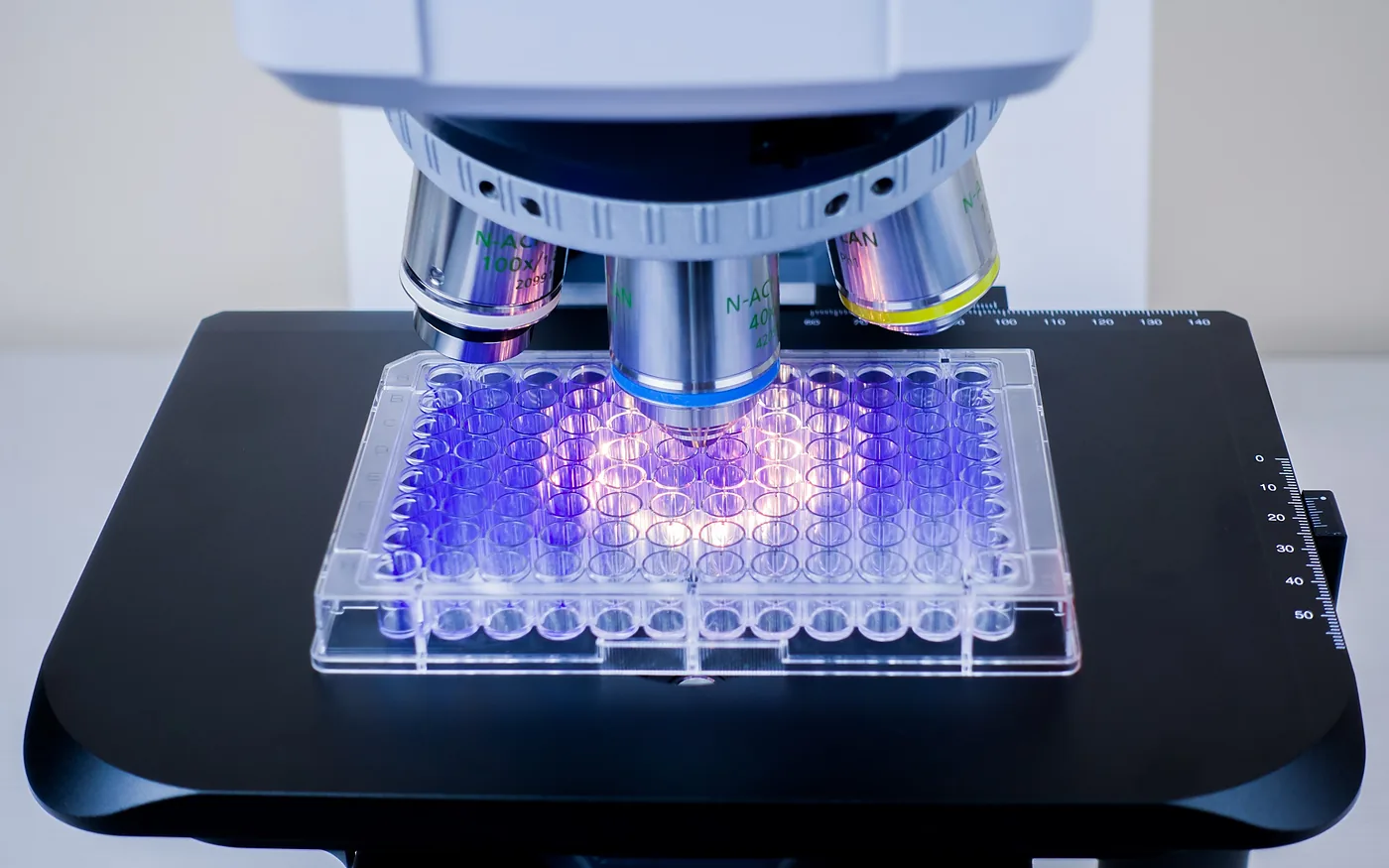
Legionella is found naturally in freshwater sources at low, harmless concentrations. The danger begins when the bacterium enters a man-made water system and finds ideal conditions to multiply: lukewarm water at a temperature of 25 to 45 degrees, standing water, scale, rust, and a biofilm layer on the pipe walls.
Among the common hot spots: hot-water systems, cooling towers, jacuzzis and spas, showerheads, taps that are out of use, misting air-conditioning systems, and water systems in hotels, hospitals, and large public buildings.
Infection is not through drinking but through inhaling a water mist (aerosol) that contains the bacterium - for example while showering, near a cooling tower, or around a fountain. The bacterium does not pass from person to person, so controlling it is an engineering and environmental matter: keeping the water at the right temperature and quality.
The Ministry of Health requires many institutions to maintain an orderly Legionella monitoring program that includes periodic sampling of end points and risk hot spots in the system. The sampling frequency, the number of points, and the sampling method are set according to the type of building and the risk level of the people using it.
Kesar Digum is a sampling-services company: we come to you, sample the risk points according to an orderly plan, and deliver the samples for testing at an ISO 17025 accredited laboratory. That way you get a reliable result that is admissible before the regulator.
The standard culture test provides a full quantitative result but takes several days. When a fast response is needed - for example, when an outbreak is suspected - a fast PCR test can be performed that detects the presence of the bacterium within a short time and enables immediate decisions, alongside a confirming culture test.
Leave your details and we will get back to you with a professional answer and a tailored sampling plan, or talk to us right now by phone or WhatsApp.
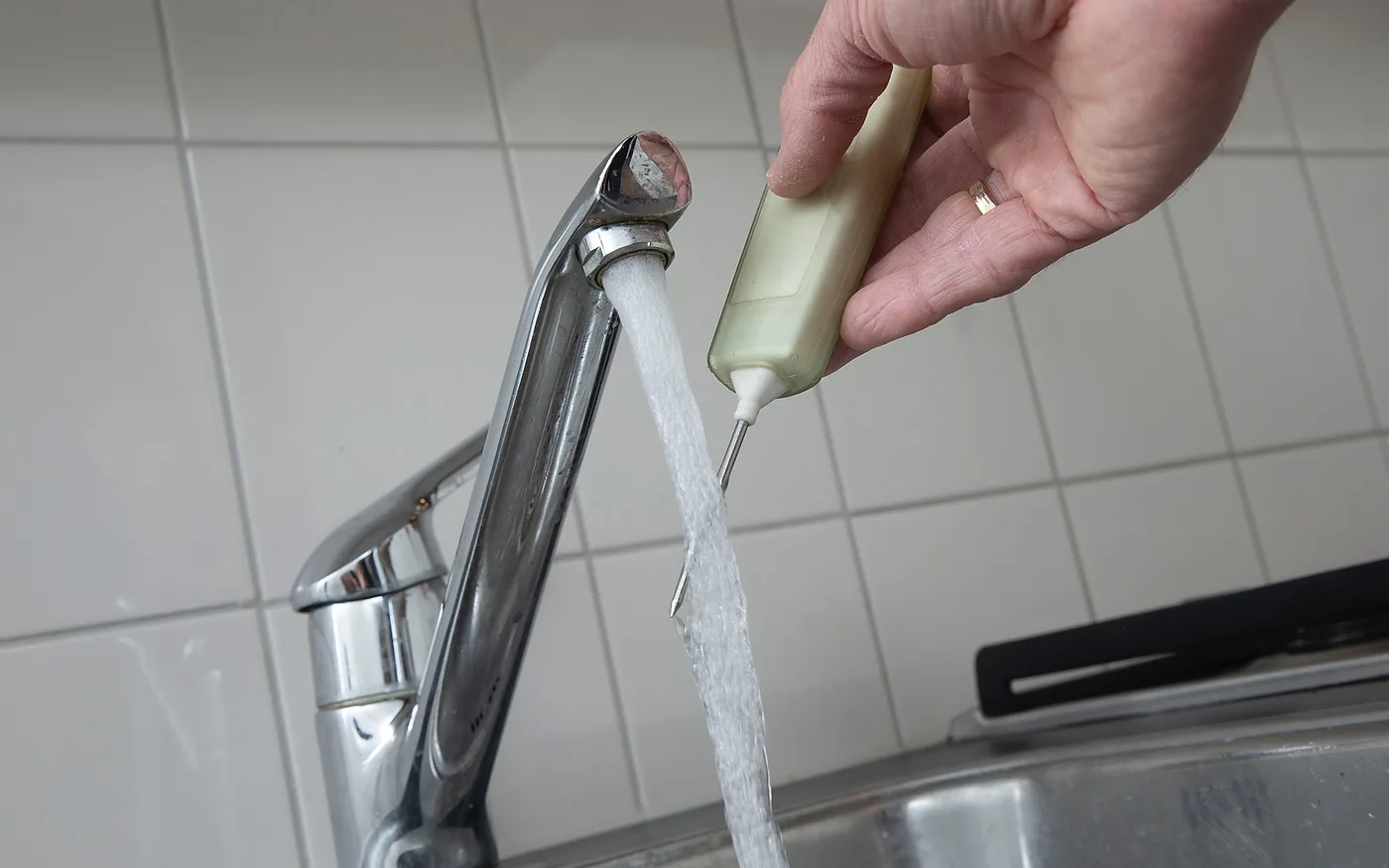
The difference between the tests, which parameters are checked at each grade, and when each one is required.
Read More
Why hospitals, nursing homes, and clinics must have an orderly sampling plan, and what it includes.
Read More
The steps for an immediate response to contamination, fast PCR tests, and a safe return to routine.
Read More