
Piping Disinfection Certificate for Form 4 - A Contractor's Guide
What a contractor needs before occupancy, how the disinfection process works and which documents you receive.
Read MoreA water reservoir that isn't maintained gradually becomes a source of contamination: sediment, scale, algae and biofilm build up on the walls and degrade the water quality of the entire building. Periodic cleaning and disinfection, followed by a water test, are the way to make sure the water reaching the tap is safe.
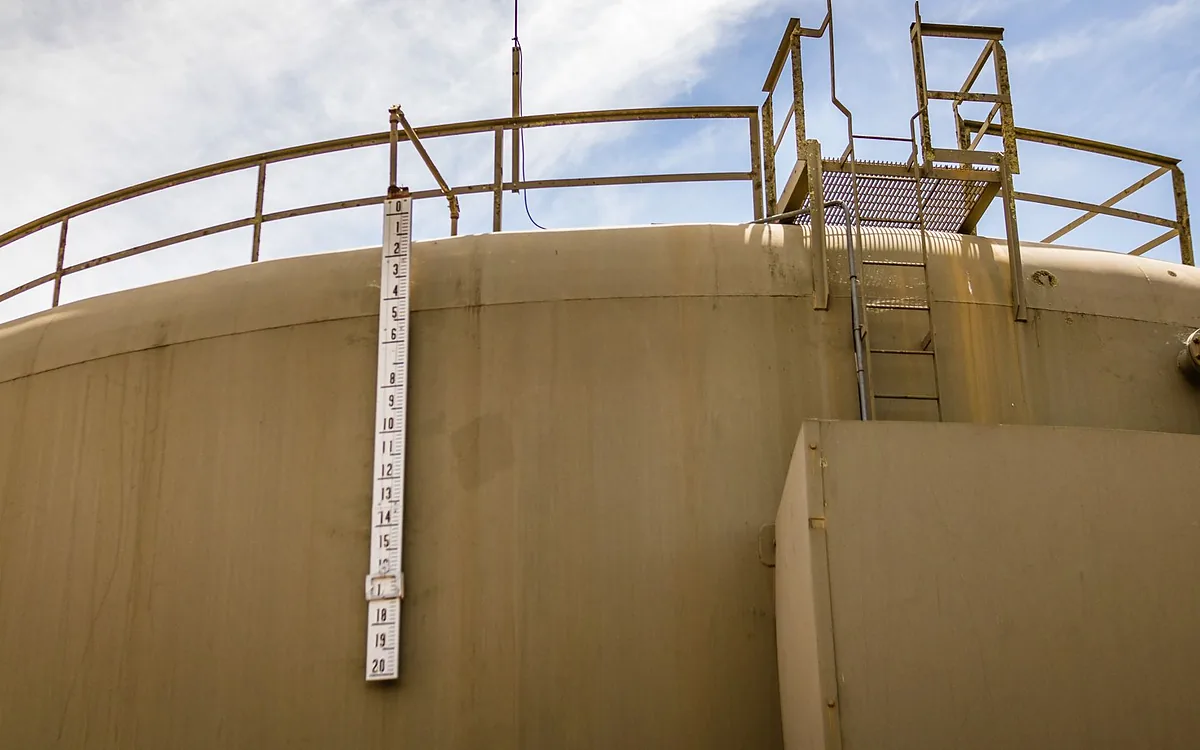
As a rule, a drinking-water reservoir requires cleaning and disinfection at least once a year, and in some buildings and institutions more frequently, depending on the requirements of the Public Health Regulations and the type of consumer. Buildings with a sensitive population or high water consumption will require more frequent maintenance.
An orderly process includes draining the reservoir, flushing and removing sediment, mechanically cleaning the walls and ceiling, disinfecting with an approved agent at the required concentration and contact time, and a final flush. Only then is a water sample taken for testing at an accredited laboratory to confirm that the reservoir has returned to proper function.
A reservoir can look clean to the eye and still harbor microbial contamination. The water test performed after disinfection is the only objective proof that the reservoir is safe to use - which is why it is an inseparable part of the process.
At the end you receive a cleaning and disinfection certificate alongside the water test report. Orderly documentation of treatment dates and test results spares you trouble during an inspection and lets you track trends over time. The Kesar Digum team performs the cleaning and disinfection, samples and delivers the samples to an accredited laboratory, nationwide.
Leave your details and we'll get back to you with a professional answer and a tailored sampling plan, or talk to us right now by phone or WhatsApp.
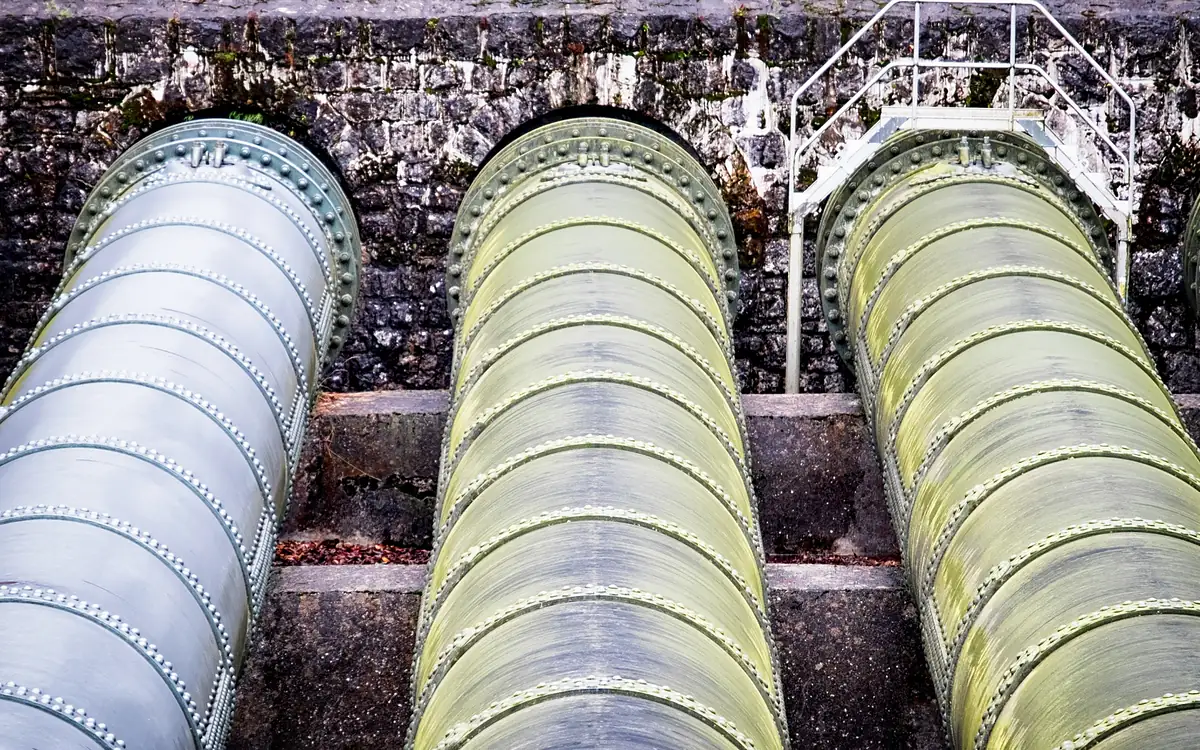
What a contractor needs before occupancy, how the disinfection process works and which documents you receive.
Read More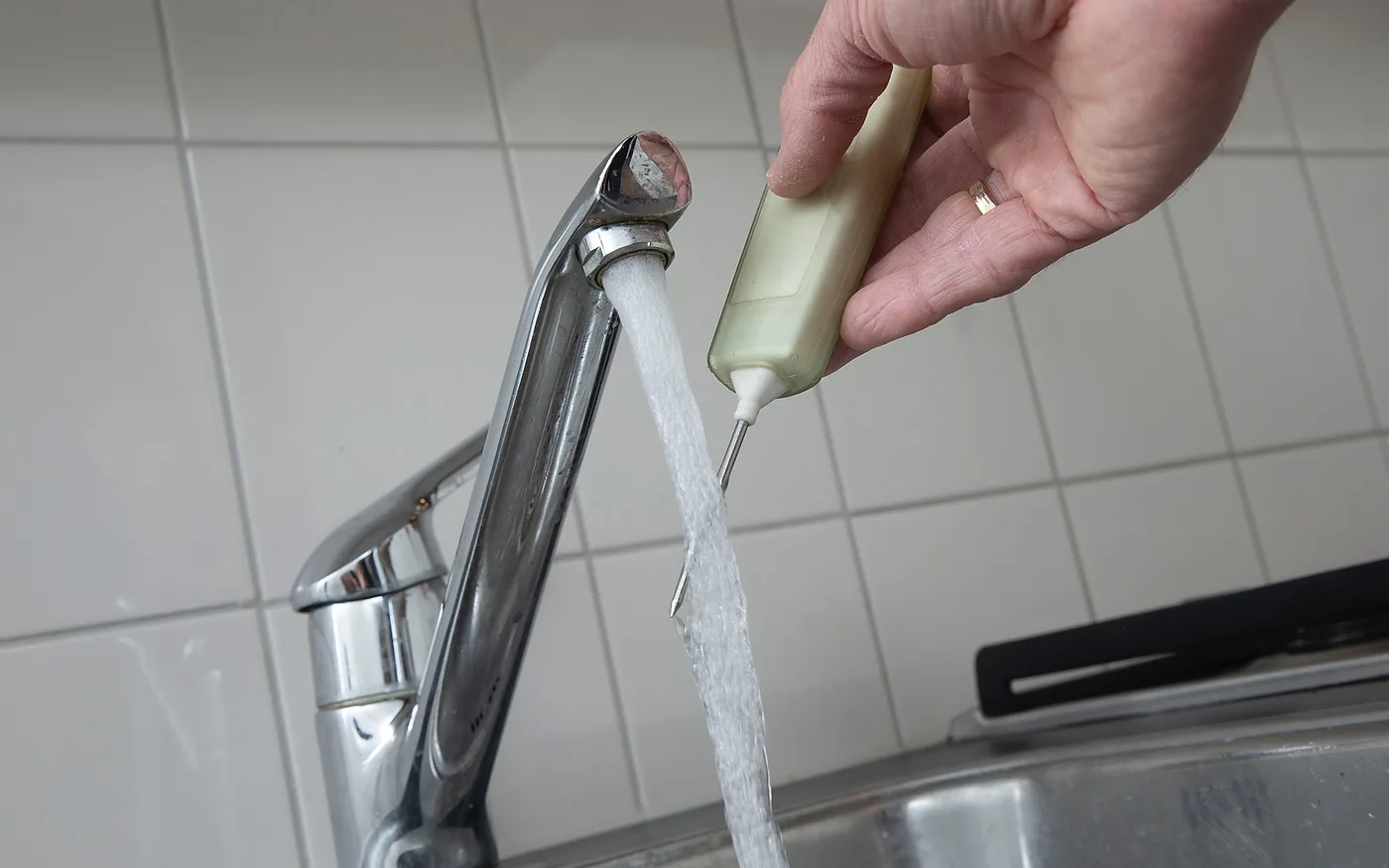
The difference between the tests, which parameters are checked at each grade and when each one is required.
Read More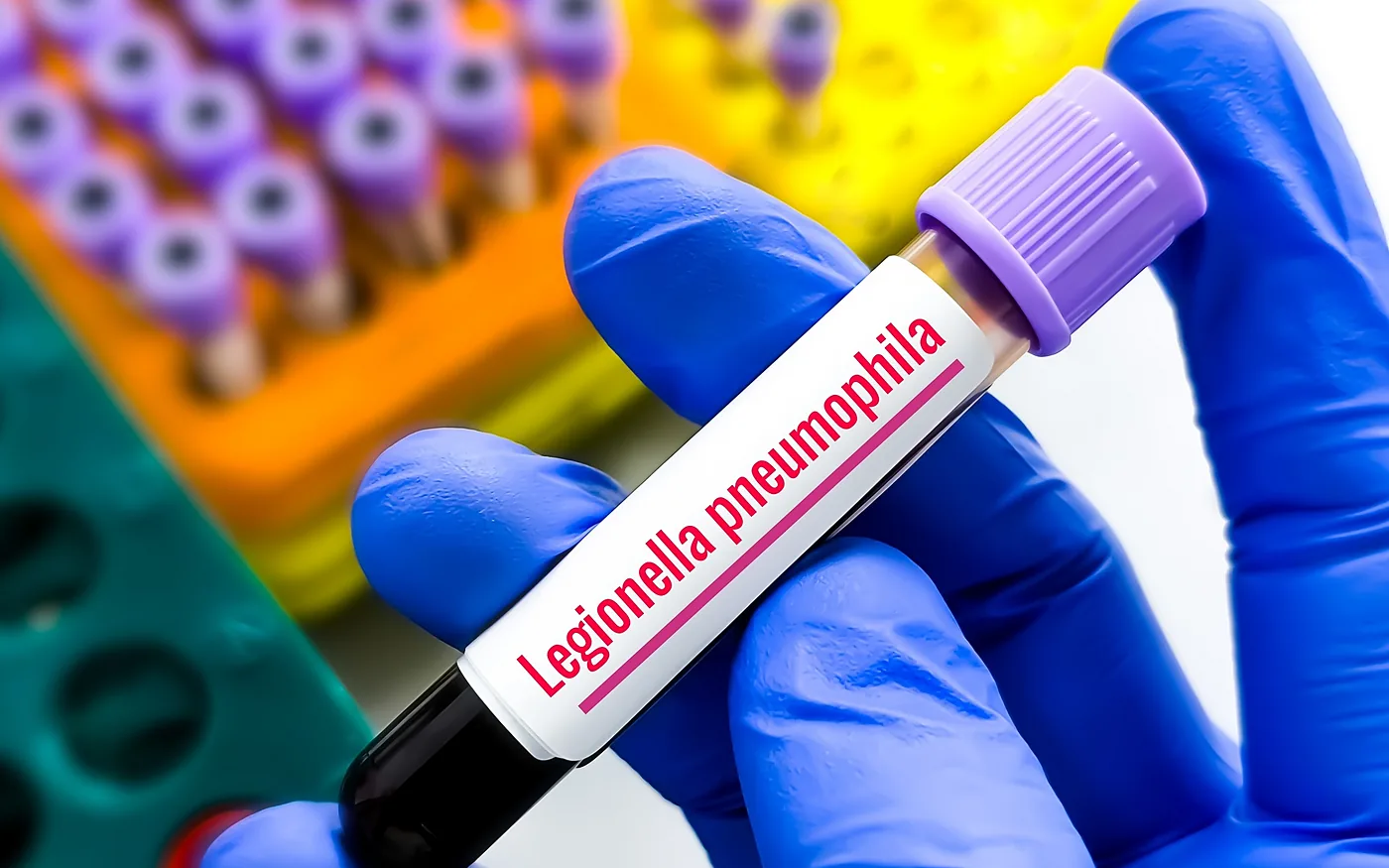
The steps for an immediate response to contamination, rapid PCR testing and a safe return to routine.
Read More