A contractor finished disinfecting the drinking-water piping in a building, flushed it, filled it, and everything looked as it should. Two days later a request comes in to present a certificate, and it turns out there is nothing to present. The disinfection was carried out, but no tested evidence of it remains. Disinfection work without verification sampling is an action no one can confirm after the fact, and in a world where the authority, the water utility or the customer asks for a document, that is almost identical to a disinfection that was never done.
What Exactly the Sample Verifies
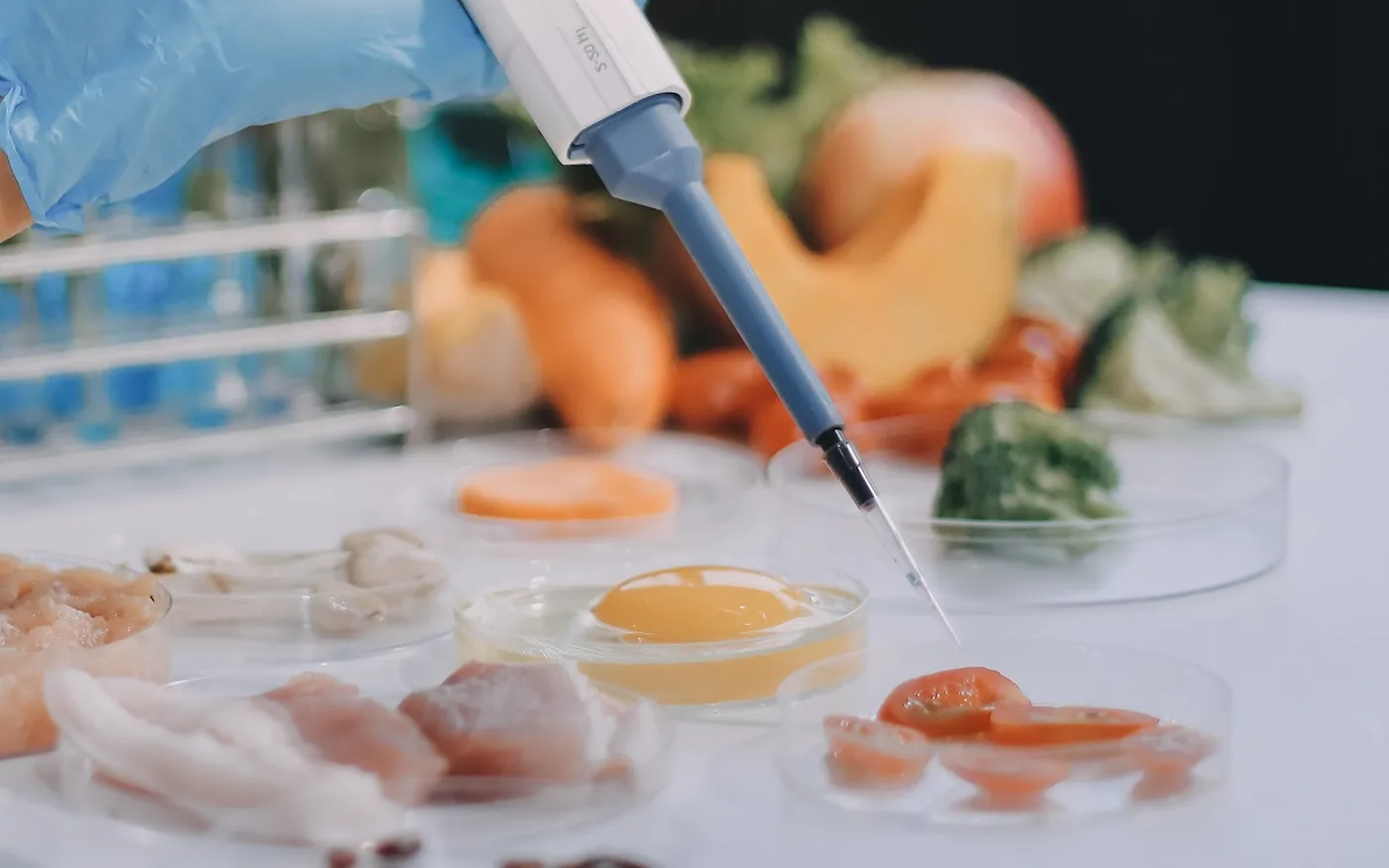
A verification sample is a test taken after the disinfection, after the flushing and after the system has returned to operational status, and its purpose is to answer a single question: is the water now coming out of the system fit for use.
It does not check that the agent was dosed in, and it does not check how long it stayed in the piping. It checks the result. These are two entirely different things, and only the second is admissible.
In a microbial test of drinking water, the main finding is the presence of indicator bacteria. Under the Public Health Regulations, water in which fecal coliforms or coliforms were found at a concentration of three bacteria per 100 milliliters or more is not fit for drinking. That is the decision point. A result below this threshold is what turns the disinfection work into a certificate, and a result above it sends everyone back to the previous stage.
What the Regulations Require of the Sampler at the Moment of Collection
Here lies the detail that most people miss.
The Public Health Regulations (Sanitary Quality of Drinking Water and Drinking-Water Facilities), 5773-2013 stipulate that when taking a sample for a microbial test, the sampler must also check the presence and the concentration of an active disinfectant in the water.
The practical meaning is simple. The sample is not just a bottle sent to the laboratory. It includes a field measurement, at the moment of collection, of the disinfection level in the water. The two results are read together: the disinfectant concentration at the sampling point, and the microbial finding at the laboratory. One measurement without the other leaves the picture incomplete.
This is also why a verification sample is not something that can be done after the fact. If no one measured the active disinfectant at the moment the sample was taken, that information is lost.
When the Sample Fails, and What You Do Then
A result out of range after disinfection does not necessarily mean the disinfection was done incorrectly. Most often it points to one of four situations:
- A spot that was not exposed to the agent. A dead length of piping, an end point that was not opened, a tank that was not emptied. The agent passed beside it, not through it.
- Recontamination after flushing. The system was disinfected properly and then exposed again, for example through a temporary connection or a component that was not disinfected.
- An external source that keeps flowing. If the contamination source is upstream of the system and was not treated, the disinfection cleans the result and not the cause.
- A problem with the collection itself. An unsuitable sampling point, insufficient flushing of the tap before collection, or a break in the transport conditions.
The difference between these four situations determines what you do next, which is why a report that settles for "a deviation was found" is not enough. The report needs to state where the sample was taken, what was found, and what the active disinfection level was at that point. From there you can return to the exact spot instead of disinfecting everything all over again.
Who Actually Asks for This Certificate
The verification sample is almost always required by a third party, and not on the initiative of whoever performed the disinfection. These are the common situations:
- Before occupancy. A new drinking-water system in a building is required to undergo disinfection, and the certificate for it is part of the file submitted onward.
- After a repair or a new connection. A line that was opened, replaced or reconnected was exposed to the environment, and the sample confirms it has returned to a sound state.
- After a contamination event. Here the sample is not a formality but the practical condition for returning to use.
- In periodic control of a reservoir or tank. Cleaning and disinfecting a reservoir ends with a sample that confirms the result.
In each of these situations, the party requesting the certificate was not present during the disinfection. As far as they are concerned, the report is all that exists.
Why the Sampler and the Disinfector Should Talk to Each Other
In the market it is common to split the work. One contractor disinfects, another body samples, and a third laboratory tests. This split works, but it creates a gap: whoever takes the sample does not always know where the piping ran, and whoever disinfected does not always see the result.
When the result is out of range, this gap costs time. You have to reassemble the information about what was disinfected, when, at what concentration and where the sample was taken, before you can even decide what comes next.
We perform both parts under the same responsibility. With us, cleaning & disinfection of water systems includes the verification sample that follows, so the map of sampling points is built out of familiarity with the system that was disinfected. If the result is out of range, we already know where to look.
For buildings and facilities where the disinfection focuses on the drinking-water lines themselves, the framework is water pipe cleaning and disinfection, where the verification sample is usually also the document submitted onward.
Frequently Asked Questions
How long after the disinfection is the sample taken?
After the agent has been removed by flushing and the system has returned to normal operational status. A sample taken while the agent is still in the system measures the disinfection, not the water that will be drunk.
Is a single microbial test enough?
The number of sampling points derives from the size of the system and its structure. A system with several lines, a tank and distant end points requires more than one point, otherwise part of the system remains untested altogether.
What is the difference between a verification sample and routine sampling?
A verification sample is a one-off that examines the result of the disinfection. Routine sampling is part of an annual program. The regulations require a water supplier to prepare an annual plan for sampling and testing in the distribution system and the production facility it owns or manages.
What happens if the result is out of range?
You locate the source of the deviation, treat it, and sample again. The correct action depends on whether it is a spot that was not disinfected, recontamination, or a source that keeps flowing, which is why the investigation precedes the repeat disinfection.
Disinfection without a verification sample is work without proof, and the moment someone asks for a document it is not worth much. We disinfect, sample under the same responsibility and return a report that shows what was found and where, including the active disinfection level at the point of collection. In parallel we build a drinking water sampling program with you that continues from the point where the disinfection ended.
To schedule disinfection and verification sampling, call 08-9332299You can also reach us on WhatsApp or leave your details for a callback