
Grade A vs. Grade B Drinking-Water Testing: What's the Difference?
The difference between the tests, which parameters are checked at each grade, and when each one is required.
Read MoreEvery plant and business that discharges wastewater into the sewer system is subject to the water utility's wastewater-quality rules. Periodic wastewater sampling determines whether the discharge meets the threshold values, directly affects the size of your wastewater levies, and helps you avoid exceedances that can end in heavy fines.
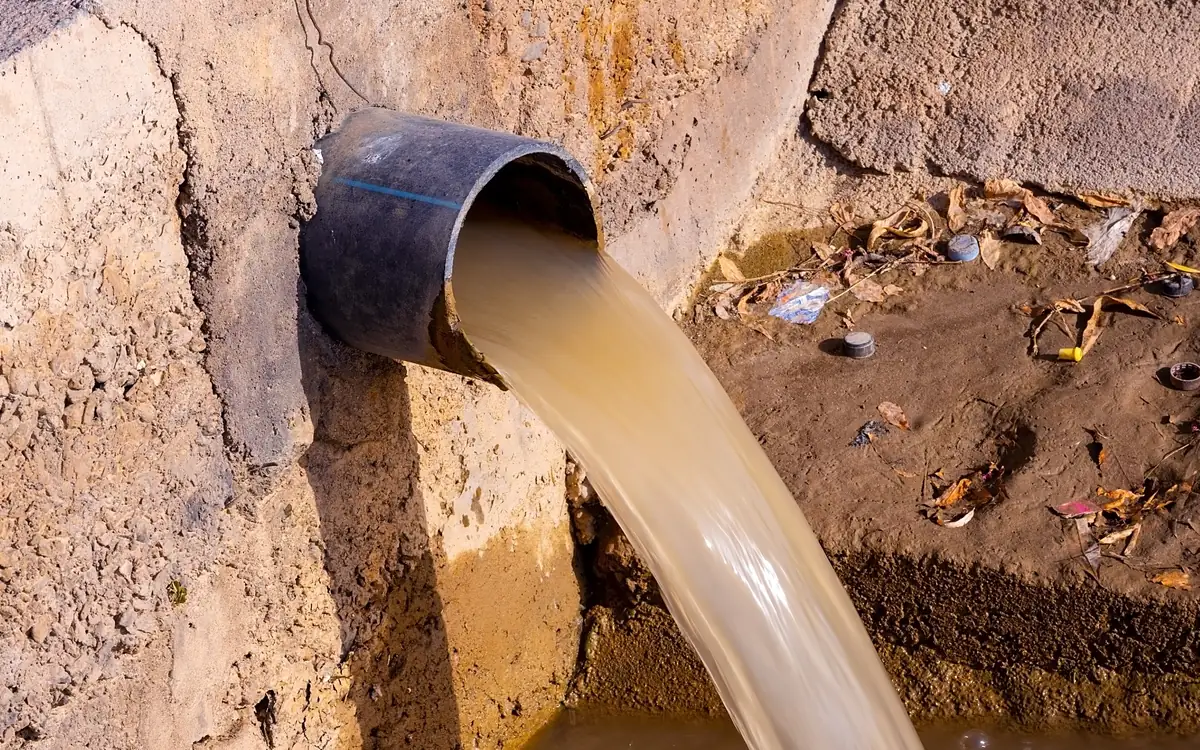
Wastewater testing examines a range of parameters that indicate the load a business places on the sewer system and the treatment plant. Among the common parameters:
The water utility calculates the wastewater levy based, among other things, on the concentration of pollutants in the business's wastewater. The stronger the wastewater, the higher the cost. Accurate, representative sampling is the basis for a fair calculation, and it sometimes reveals opportunities to reduce the load and cut costs.
Many businesses are required to perform composite sampling - collecting samples over a defined period to reflect the average discharge rather than a single random moment. We perform both composite sampling using automatic composite samplers and grab control samples, as required by the utility.
Exceeding the threshold values can lead to fines, demands for improvement, and even a halt to the discharge. Proactive monitoring makes it possible to spot an upward trend in the values before it becomes an exceedance and to correct the process in time. The Kesar Digum team builds a sampling plan tailored to your industry, samples on-site, and delivers the samples to an ISO 17025 accredited laboratory, with a clear report and practical recommendations.
Leave your details and we will get back to you with a professional answer and a tailored sampling plan, or talk to us right now by phone or WhatsApp.
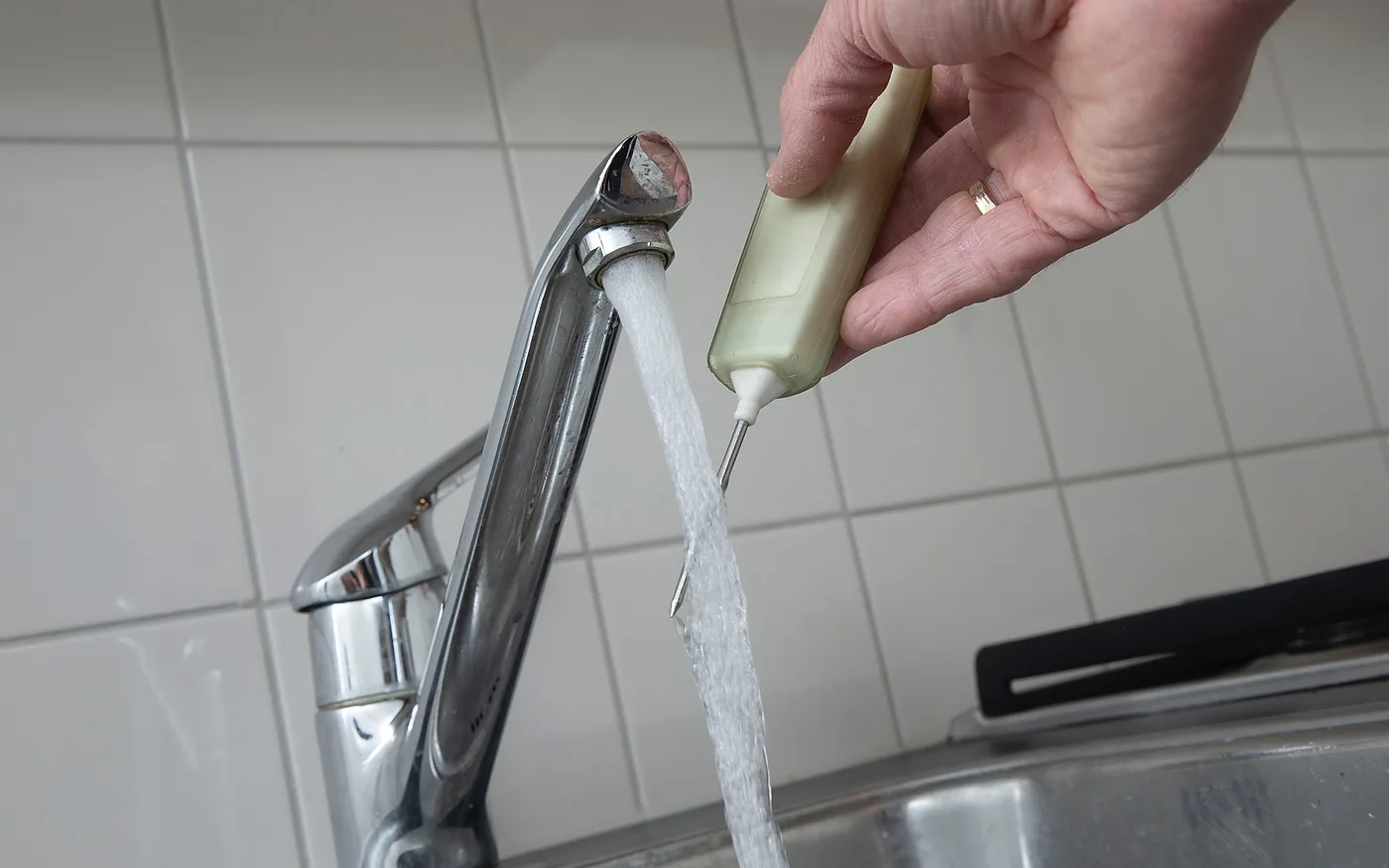
The difference between the tests, which parameters are checked at each grade, and when each one is required.
Read More
What the accreditation means, how it ensures reliable results, and why the regulator requires it.
Read More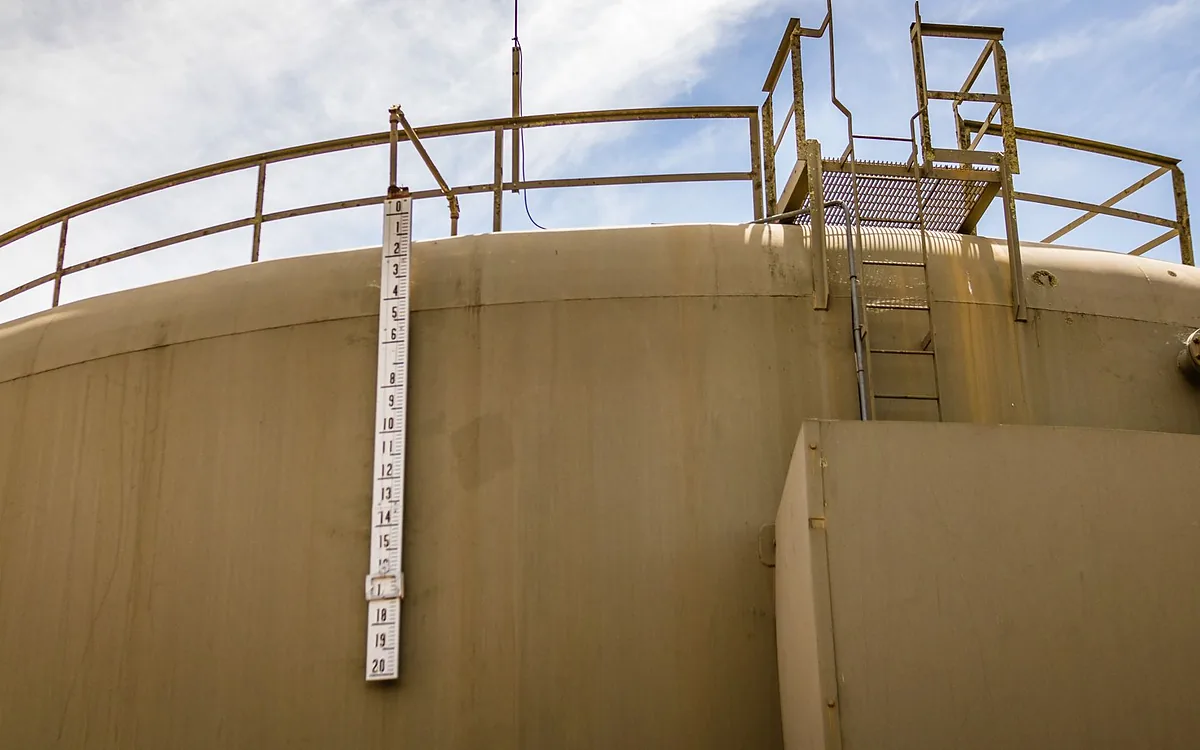
Cleaning frequency under the Public Health Regulations, warning signs, and what a proper disinfection process involves.
Read More