Public Pool Water Testing per the Ministry of Health
Which parameters are tested in a pool, how often sampling is done and the requirements for opening the bathing season.
Read MoreA public mikveh combines a halachic requirement for a reservoir of rainwater with a health requirement for water that is safe for immersion. Periodic water testing makes sure the mikveh meets the Ministry of Health's guidelines and protects the health of those who immerse, without compromising the mikveh's kashrut.
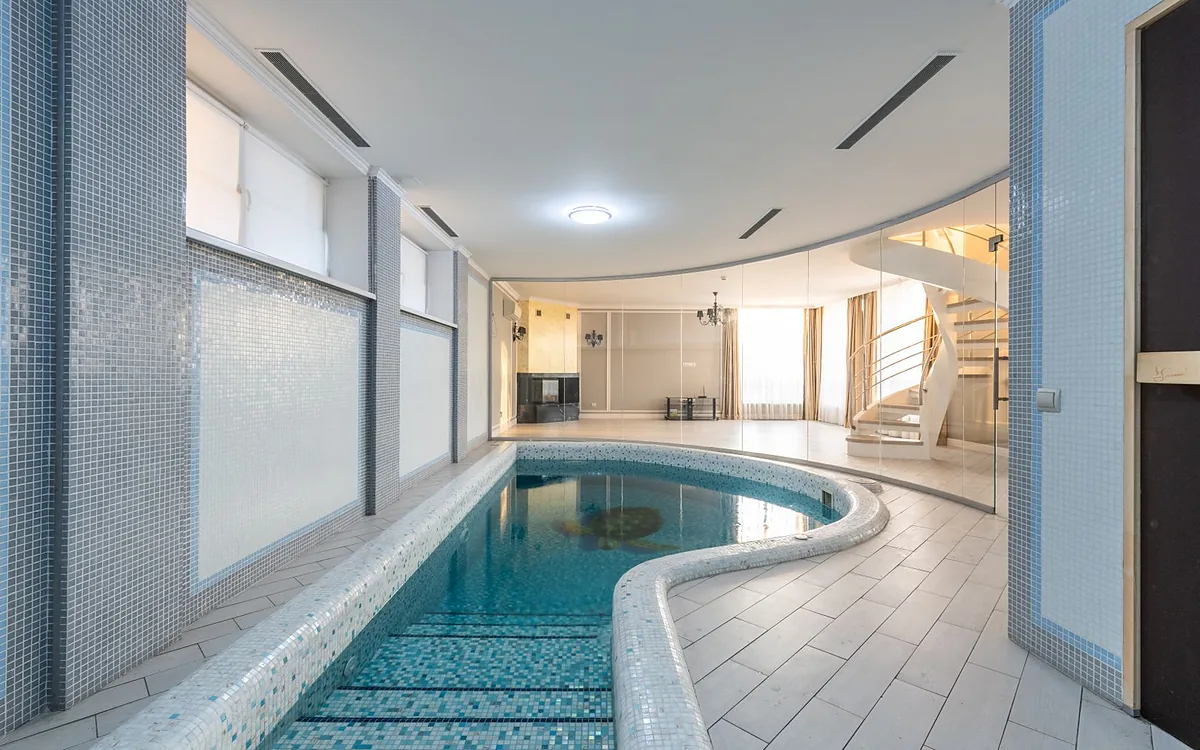
Because of how it is used - a large volume of water, many bathers and a temperature that suits bacteria - a mikveh is an environment that demands ongoing monitoring. Testing the water confirms that the filtration and disinfection system is working and that water quality is maintained over time.
Mikveh testing calls for an understanding of how the mikveh operates in order to sample correctly and preserve its kashrut. We coordinate the sampling with the mikveh operator so that the health test is carried out without compromising the halachic requirements.
Sampling frequency is set according to the Ministry of Health's guidelines and how heavily the mikveh is used. Orderly documentation of test results makes it possible to track water quality and to demonstrate compliance during an inspection. The Kesar Digum team samples the mikveh water and delivers the samples for testing at an accredited laboratory, nationwide.
Leave your details and we'll get back to you with a professional answer and a tailored sampling plan, or talk to us right now by phone or WhatsApp.
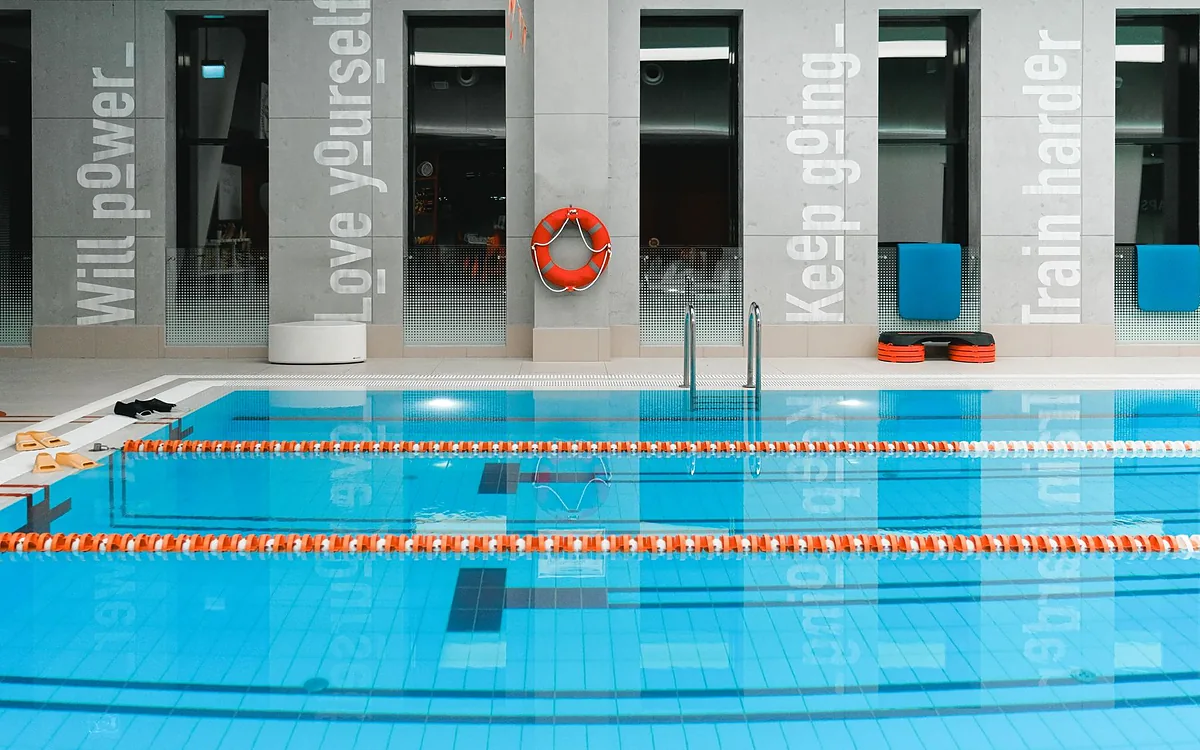
Which parameters are tested in a pool, how often sampling is done and the requirements for opening the bathing season.
Read More
Everything you need to know about the bacterium, how it spreads, at-risk populations and the Israeli testing standard.
Read More
The difference between the tests, which parameters are checked at each grade and when each one is required.
Read More